Whole House Sewer Repipe Swaps Failed Cast Iron for PVC DWV
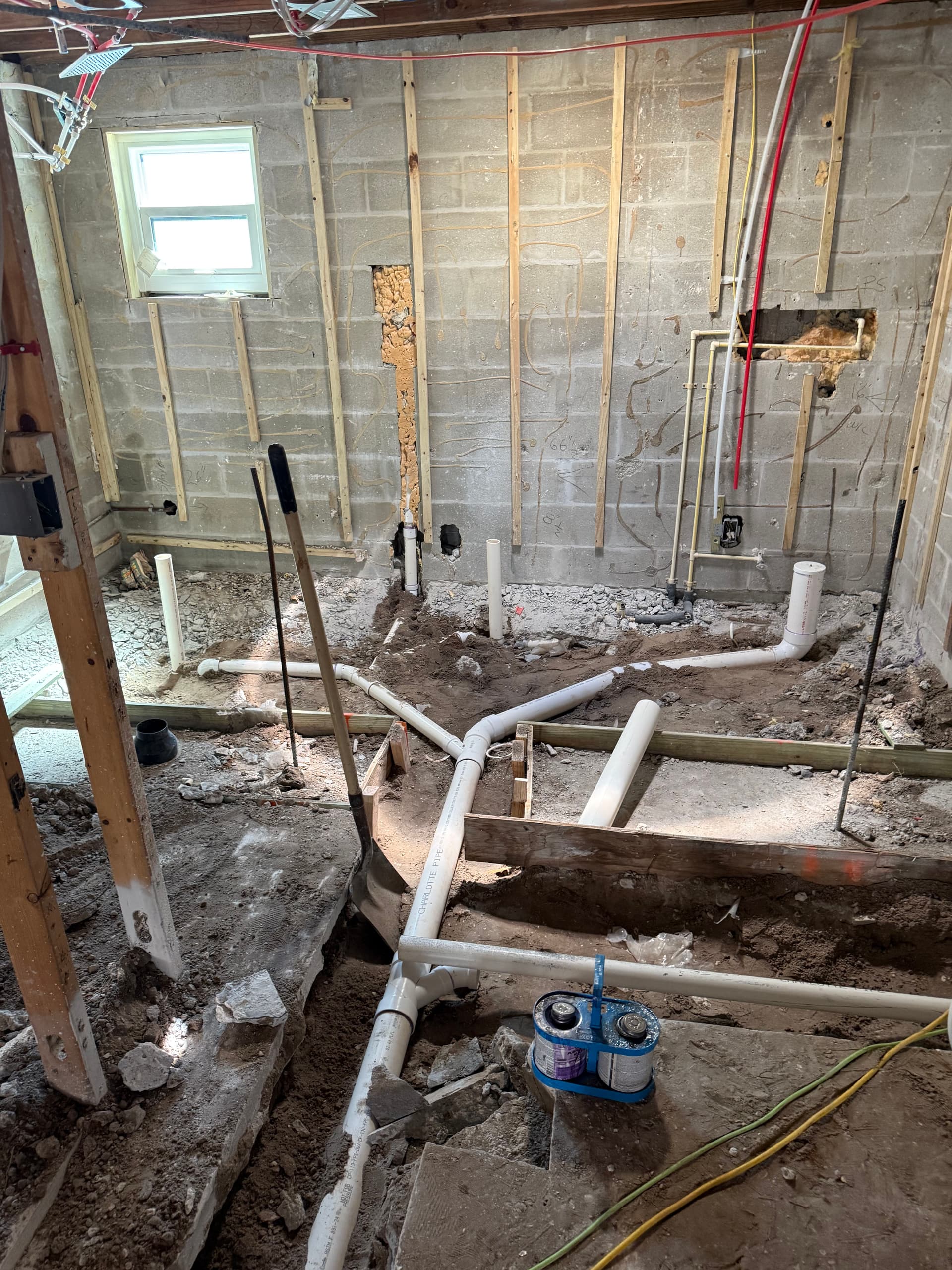
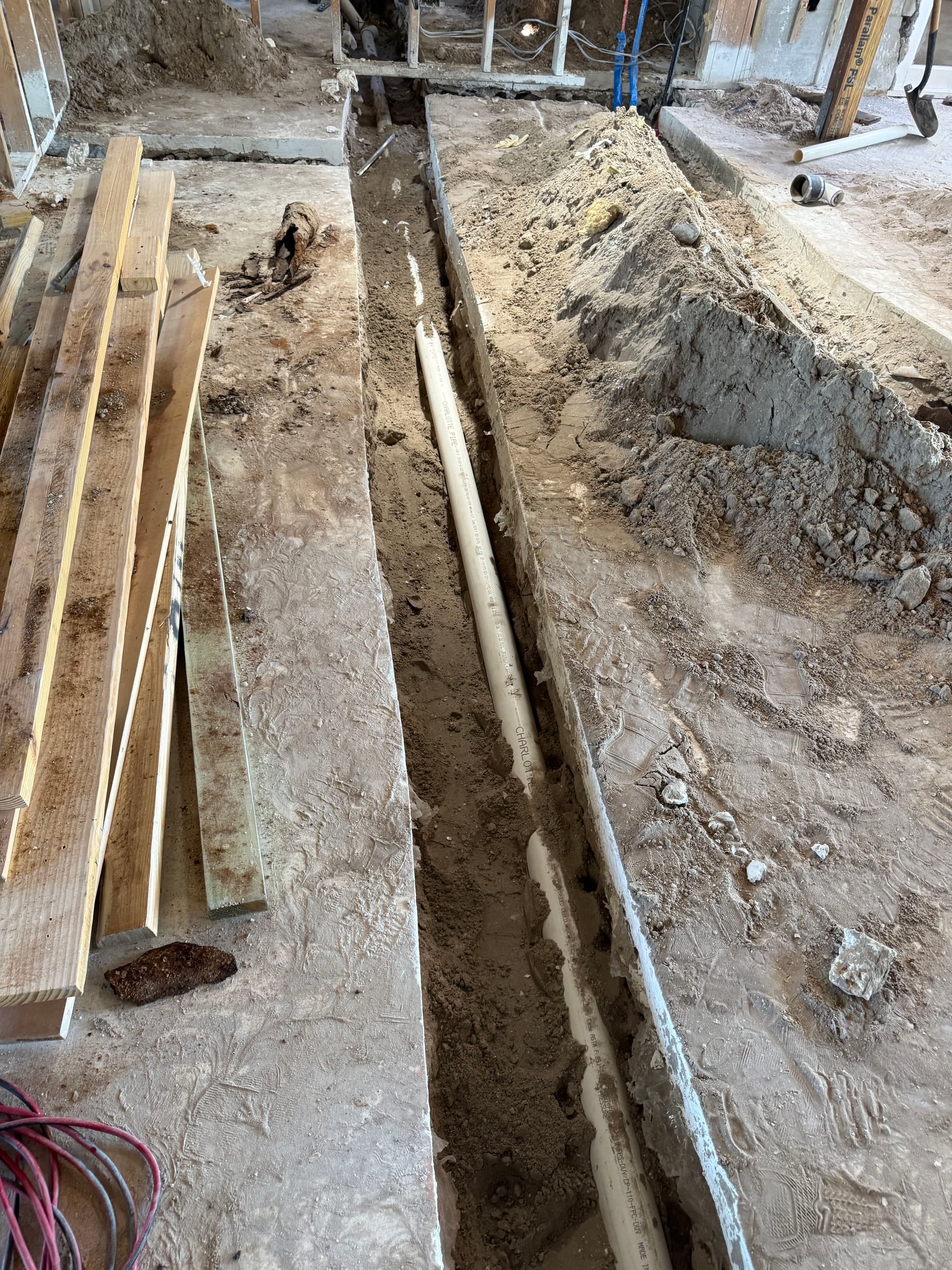
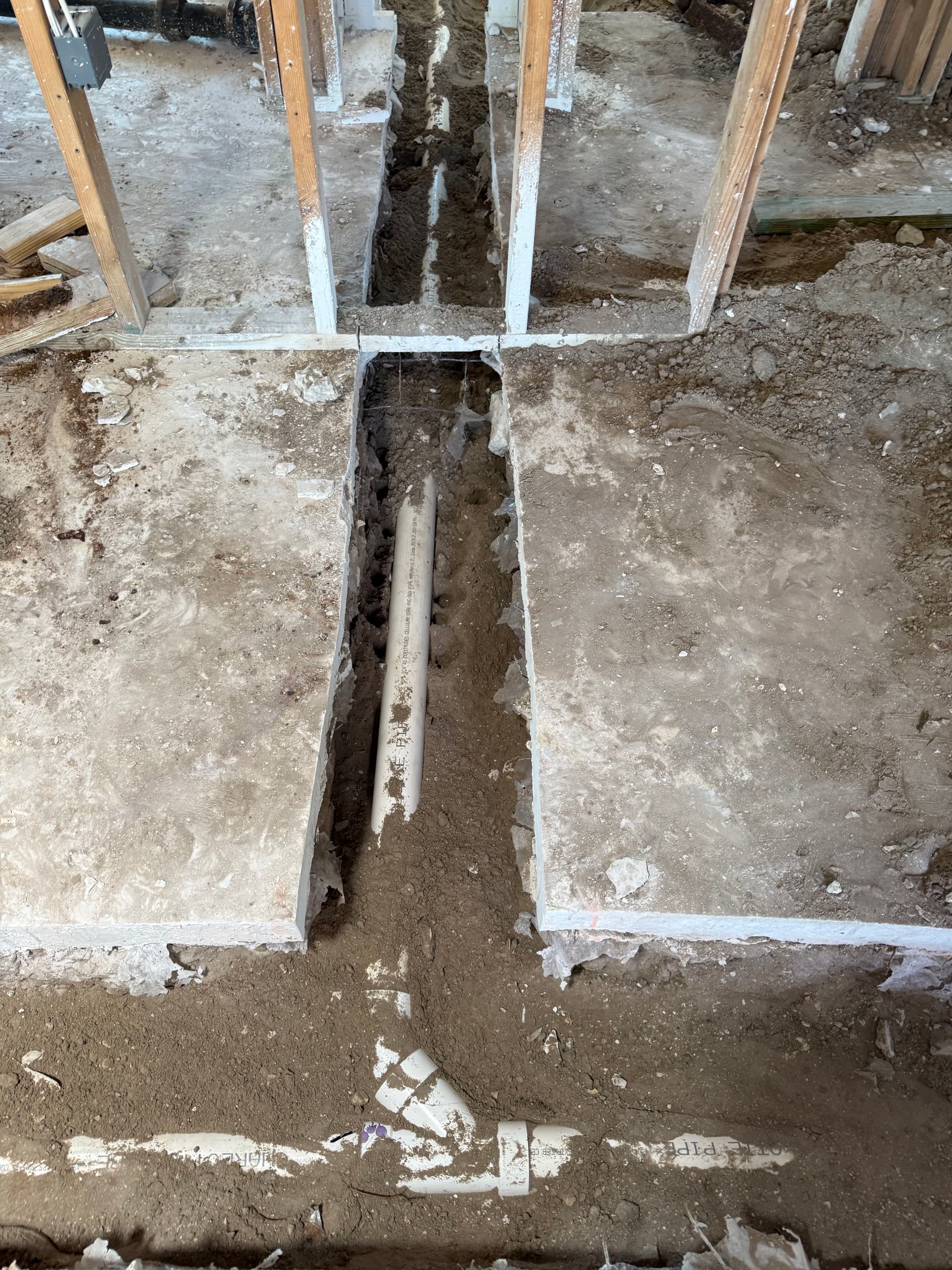
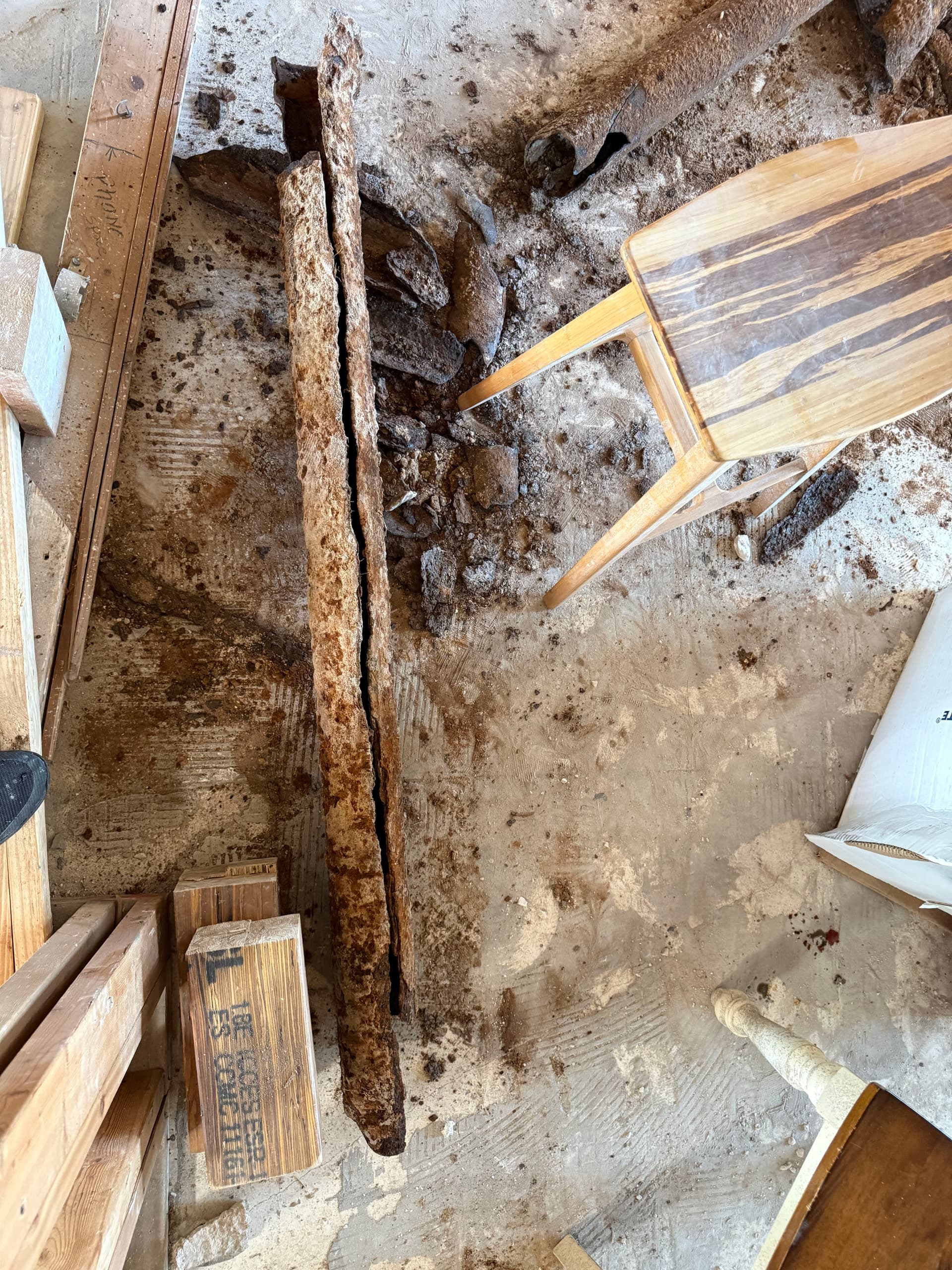
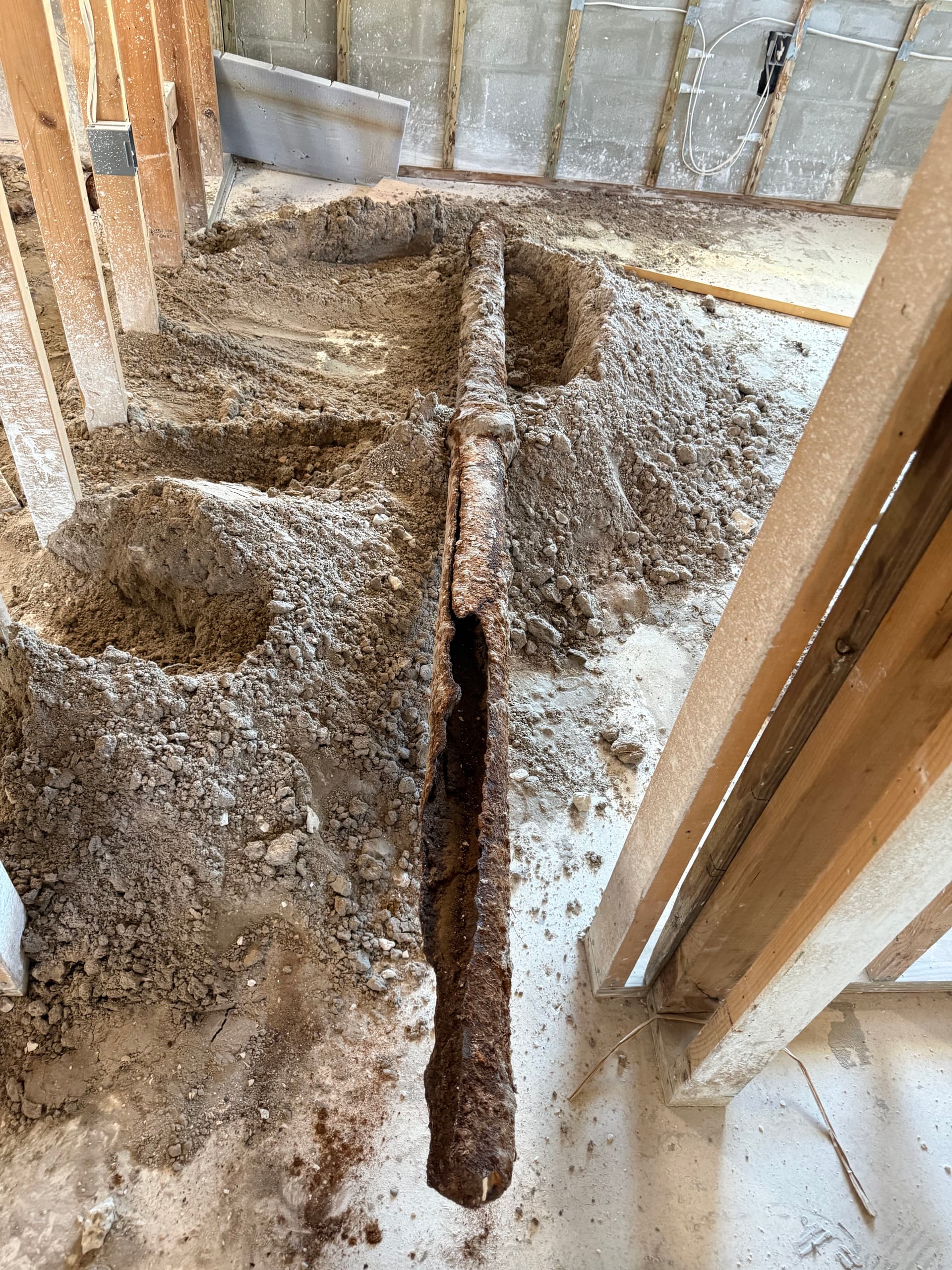
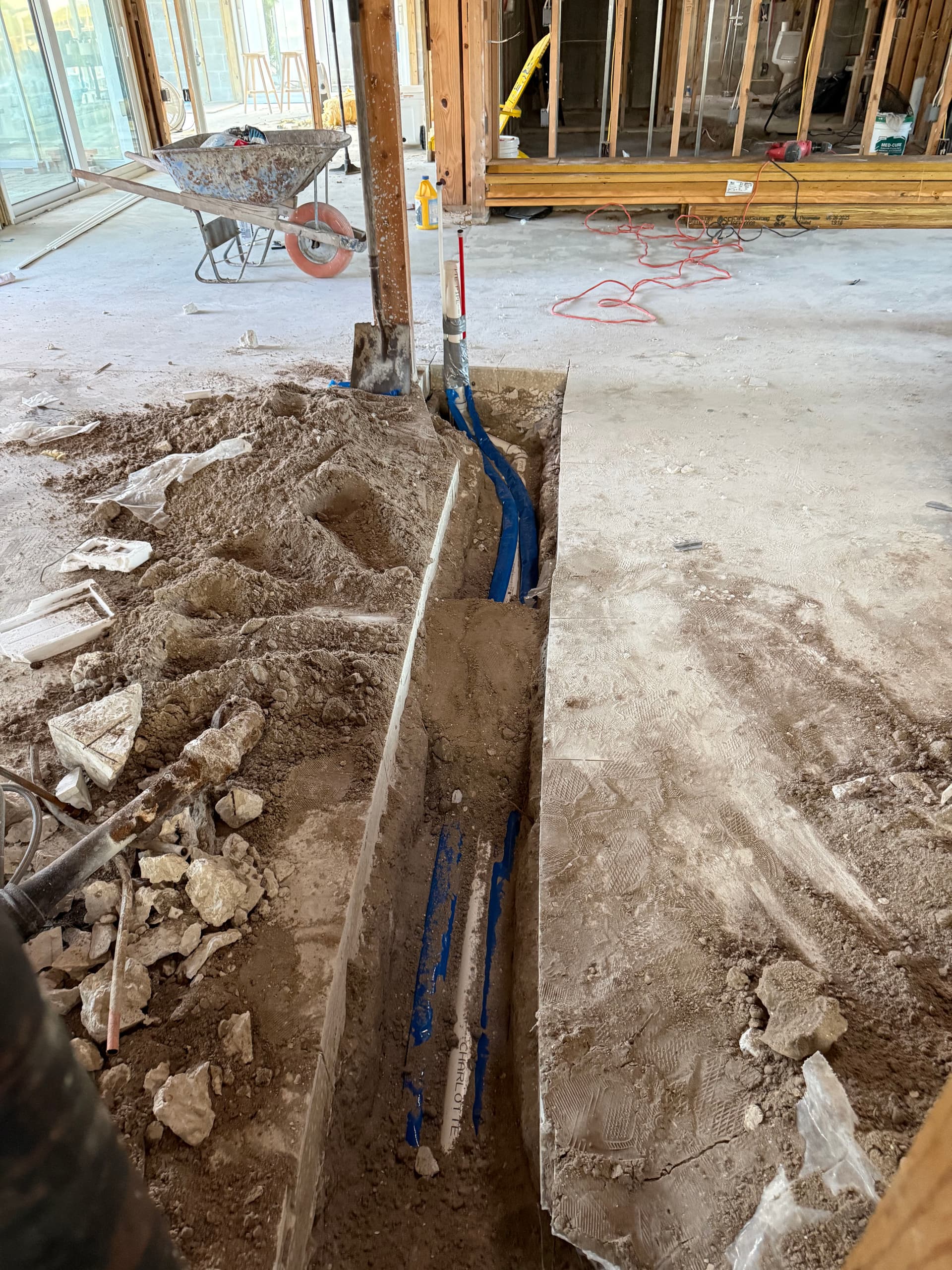
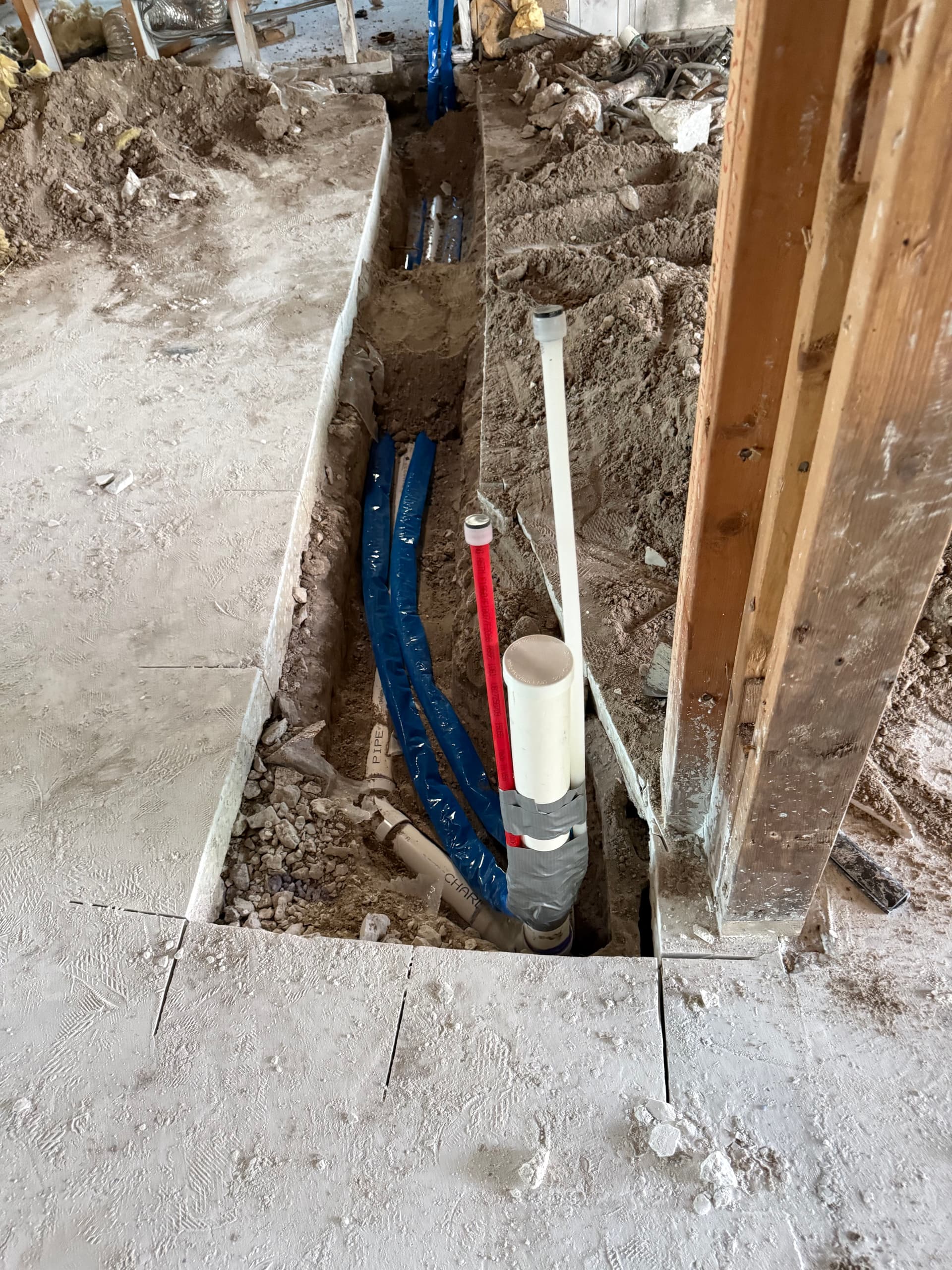
Cast iron sewer pipe has a lifespan. When it goes, it doesn't go quietly - cracks, corrosion, and collapsed sections under the slab are the norm. That's exactly what we were dealing with here. The old 3-inch cast iron had failed, and there was no patching our way out of it. A full whole house sewer repipe was the only real fix.
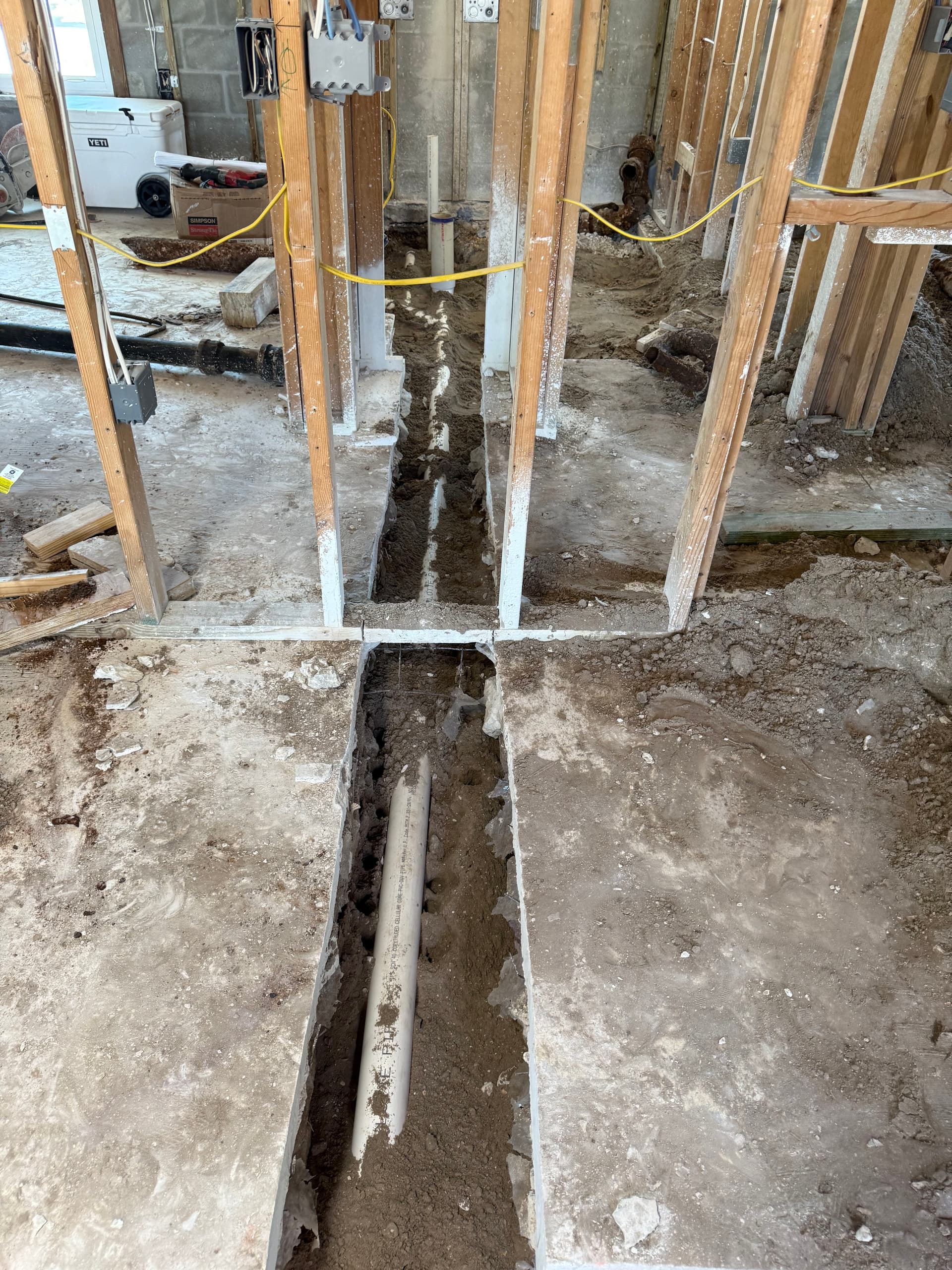
We cut trenches through the concrete slab and pulled out the old cast iron in sections. The condition of what came out tells the whole story - heavily rusted, cracked clean through, and falling apart in pieces. That kind of deterioration doesn't just slow your drainage down. It creates the conditions for sewage backups, foundation moisture issues, and ongoing repair bills that never stop adding up.
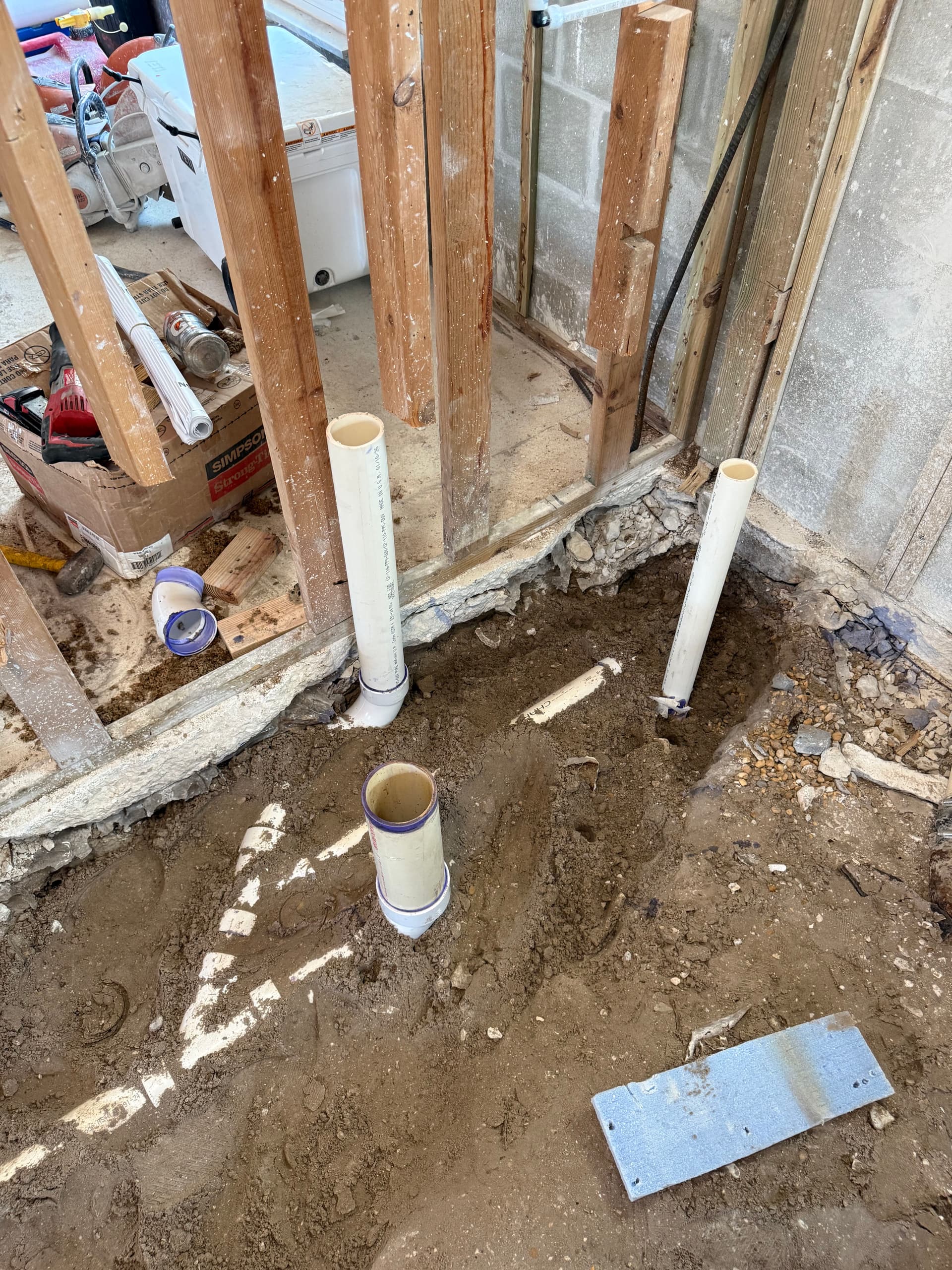
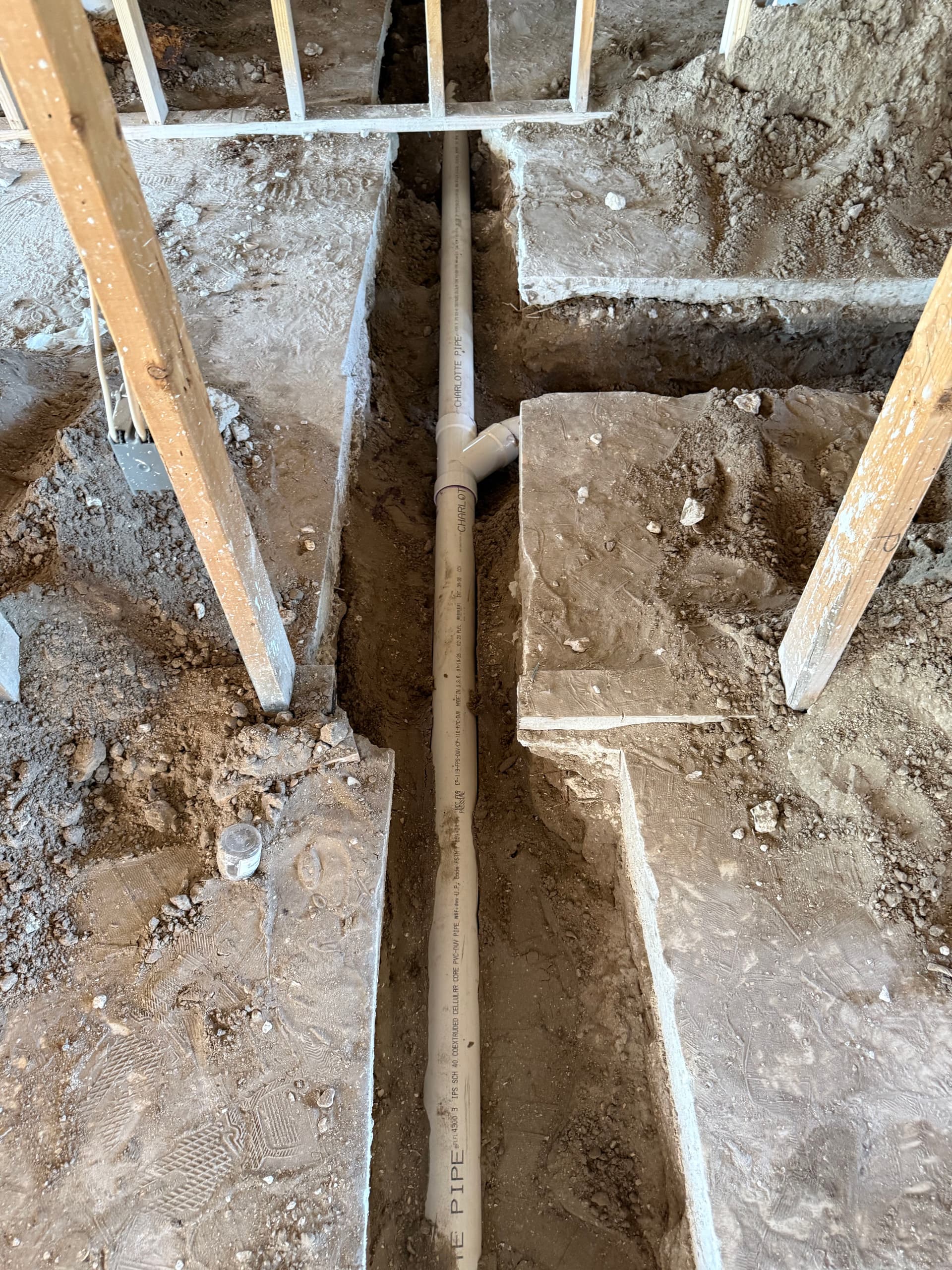
Once the old pipe was out, we laid in new 3-inch and 2-inch PVC DWV throughout the home. PVC is the right call for this type of work. It doesn't corrode, it handles high-volume drainage without issue, and it's built to last decades without the kind of degradation you see with cast iron in Florida's soil conditions. Every line was set to proper grade and tied in at the fixture rough-in points throughout the house.
Jobs like this one sit right at the intersection of pipe repair and replacement work and full remodel-level plumbing. The house was already stripped down for a renovation, which made it the right time to address the sewer system completely rather than leave failing pipe in the ground. Getting this done during a remodel avoids having to tear everything back up later - and that's a conversation worth having before floors and walls go back in.
This is what a real repipe looks like from the ground up. It's labor-intensive, it takes planning, and it has to be done right the first time because it's going back under concrete. When it's done correctly, it's one of the most valuable things you can do for a home's long-term plumbing health.