Rheem 50-Gallon Natural Gas Water Heater Installation Done Right
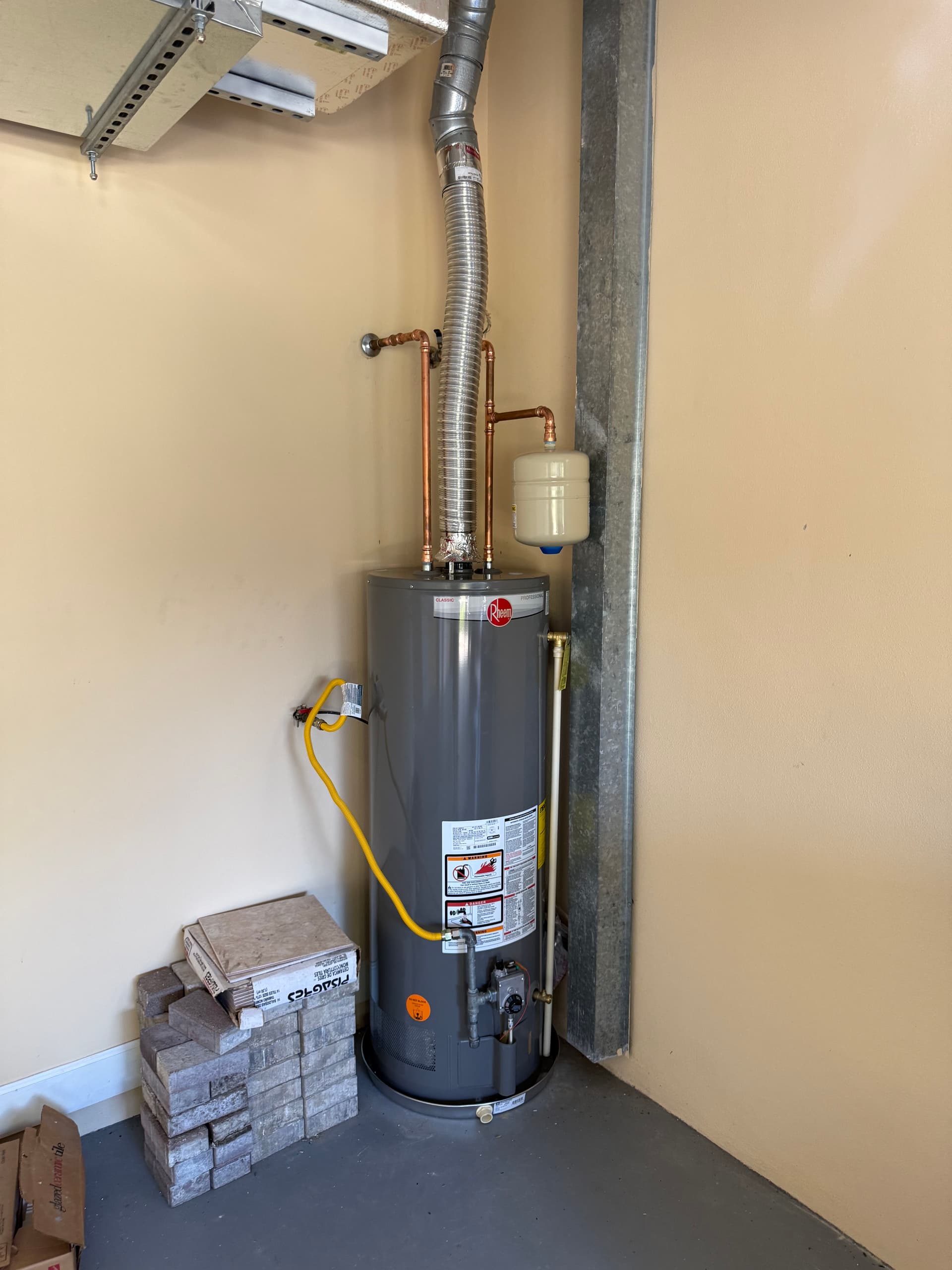
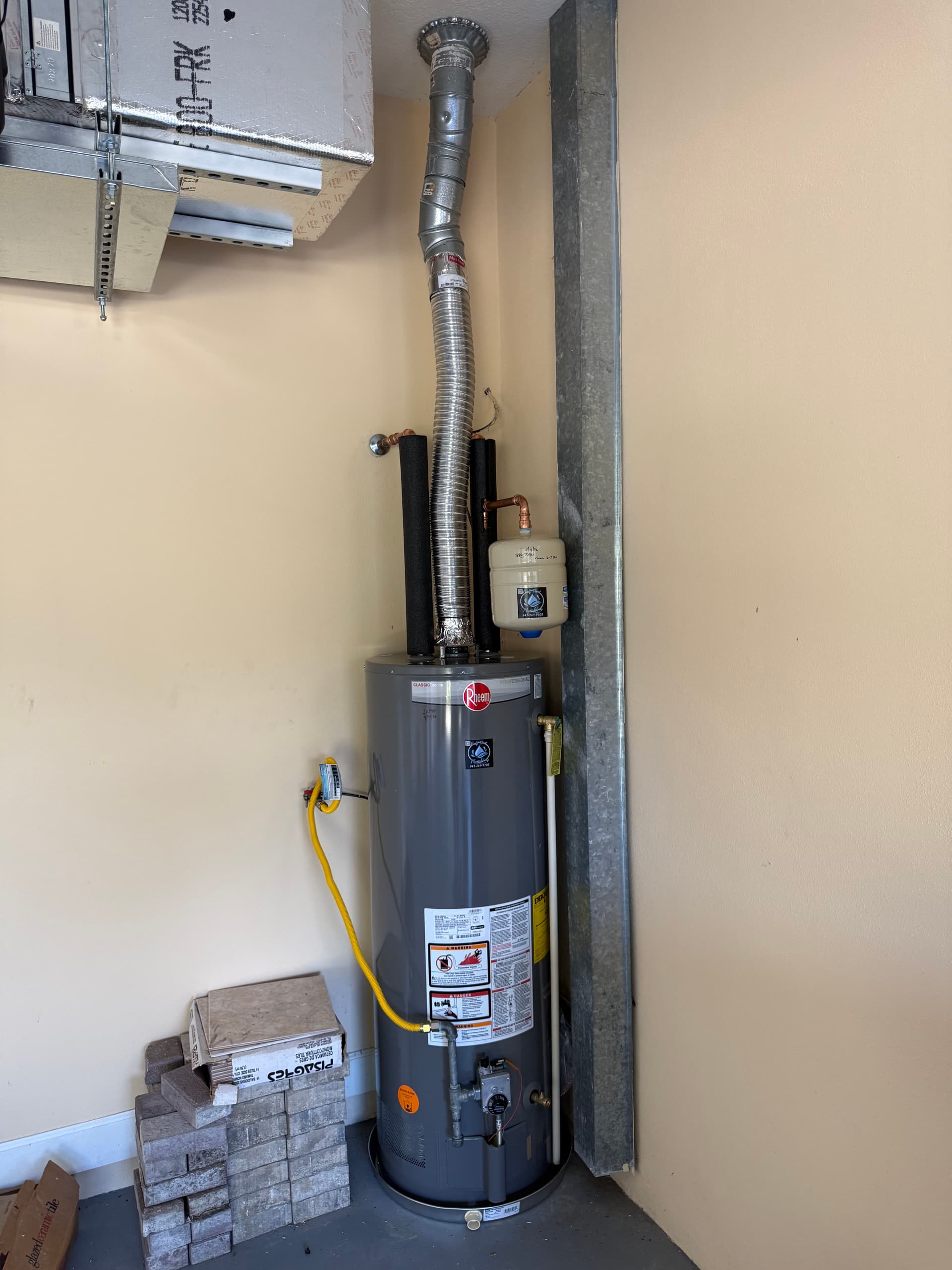
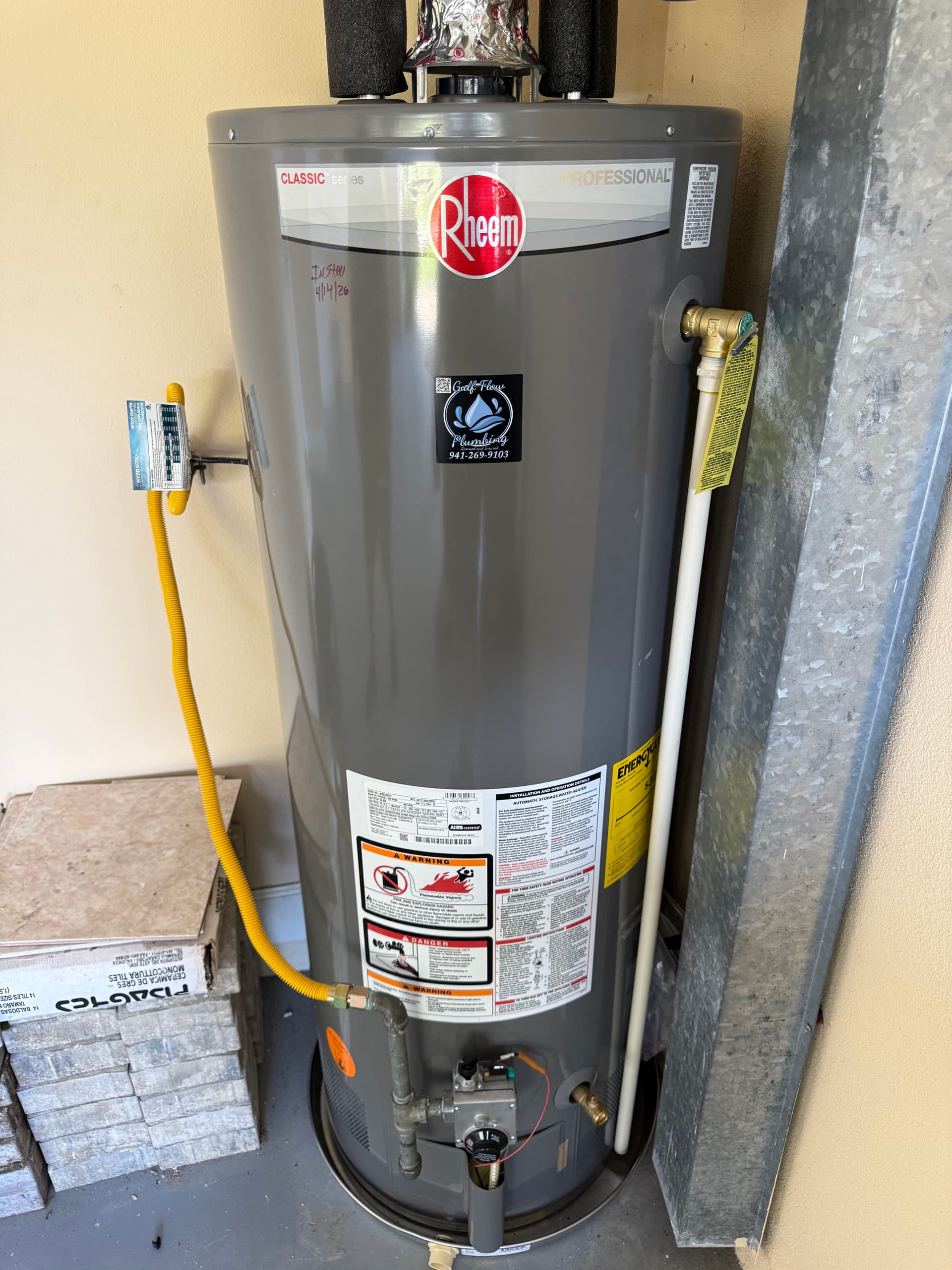
Most water heater installations come down to one question - did whoever did it take the time to do it right? That means more than just swapping the tank. It means thinking through every connection, every safety component, and every code requirement before the job is done.
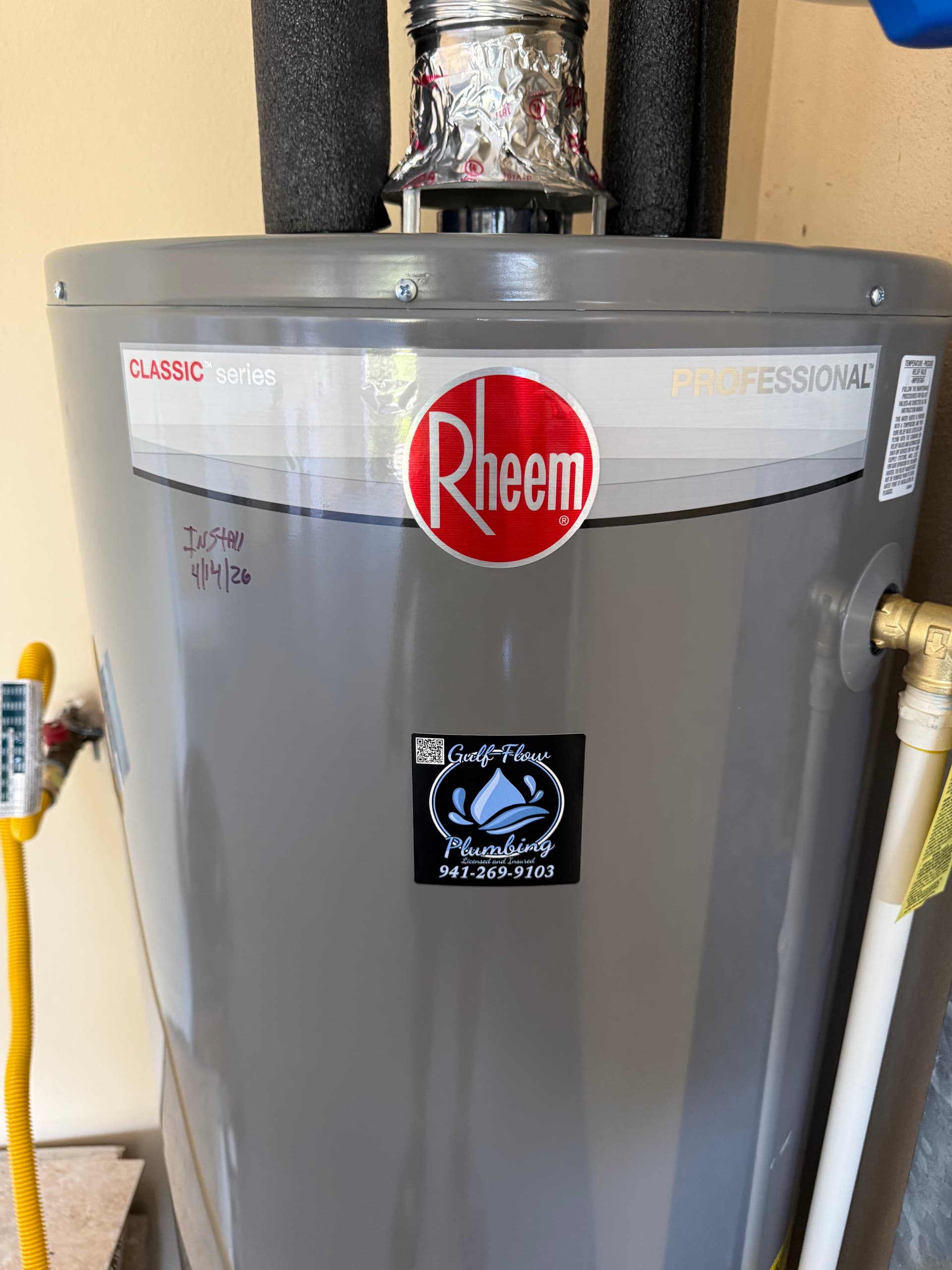
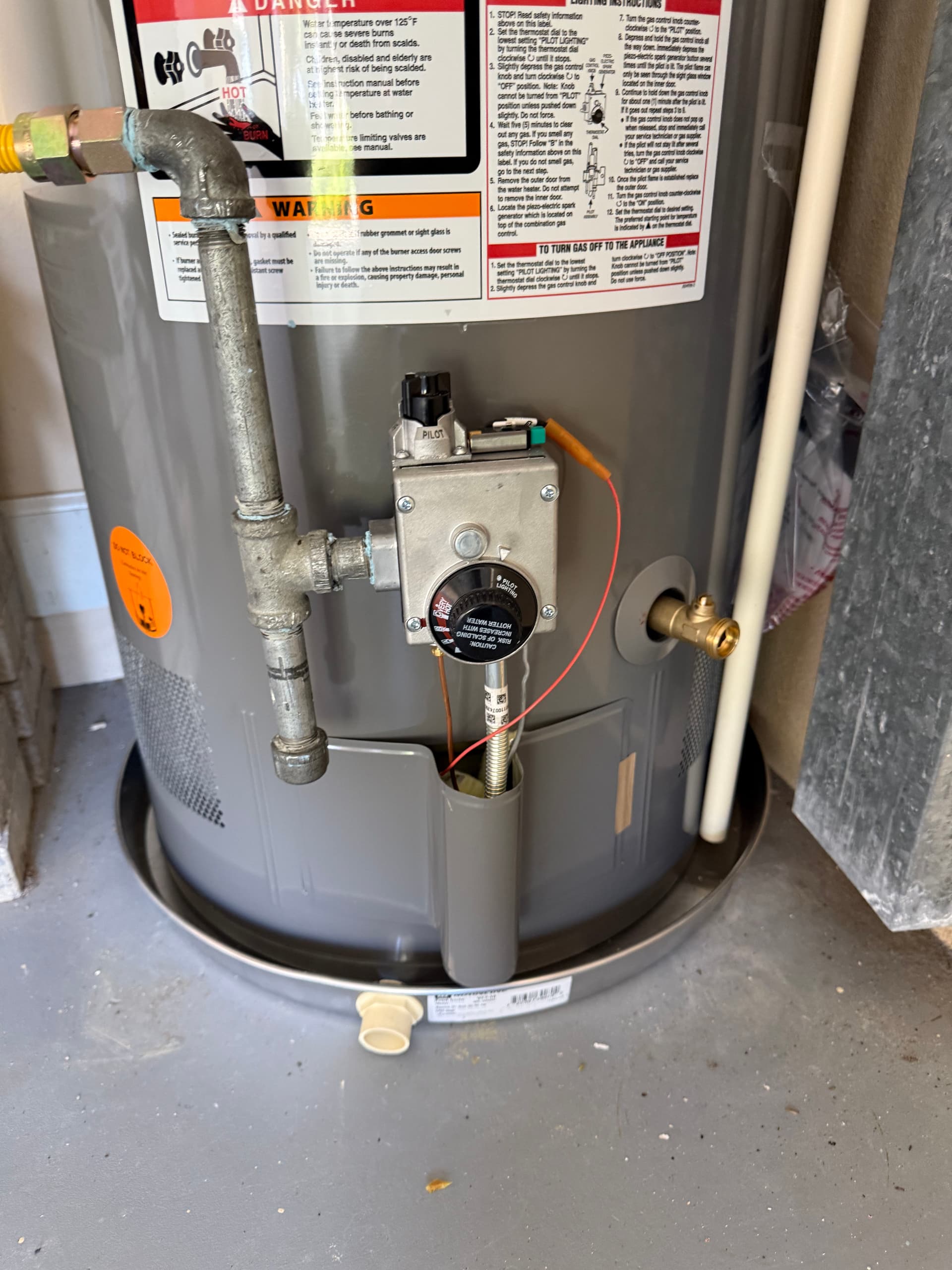
For this install, we went with a Rheem Classic Series Professional 50-gallon natural gas water heater. Rheem is one of the most dependable names in the business, and this unit is built to handle the demands of everyday household use without cutting corners on efficiency or reliability. We also handled the full gas connection, including a proper drip leg to catch debris and moisture before it reaches the valve - something that gets skipped more often than it should.
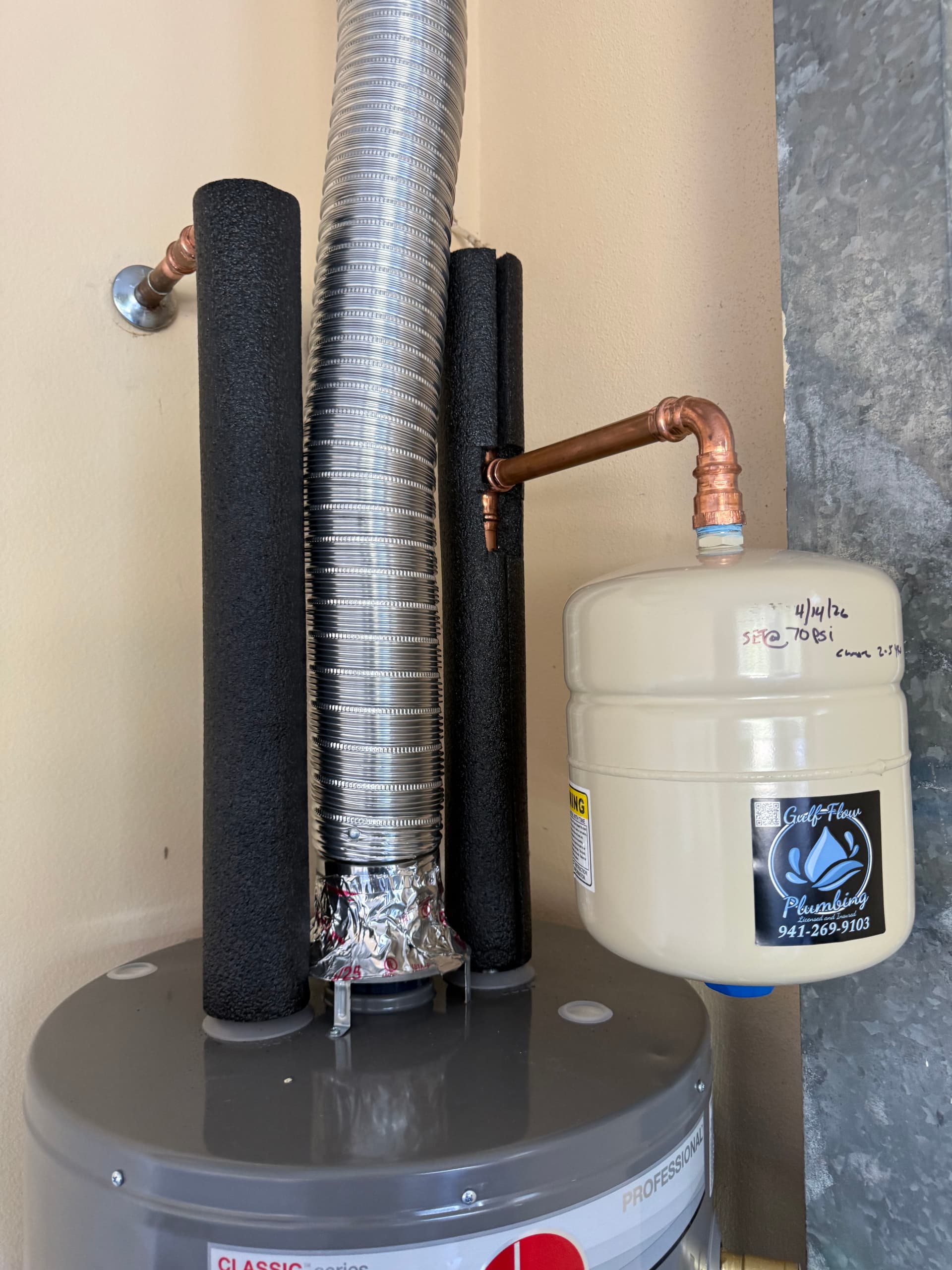
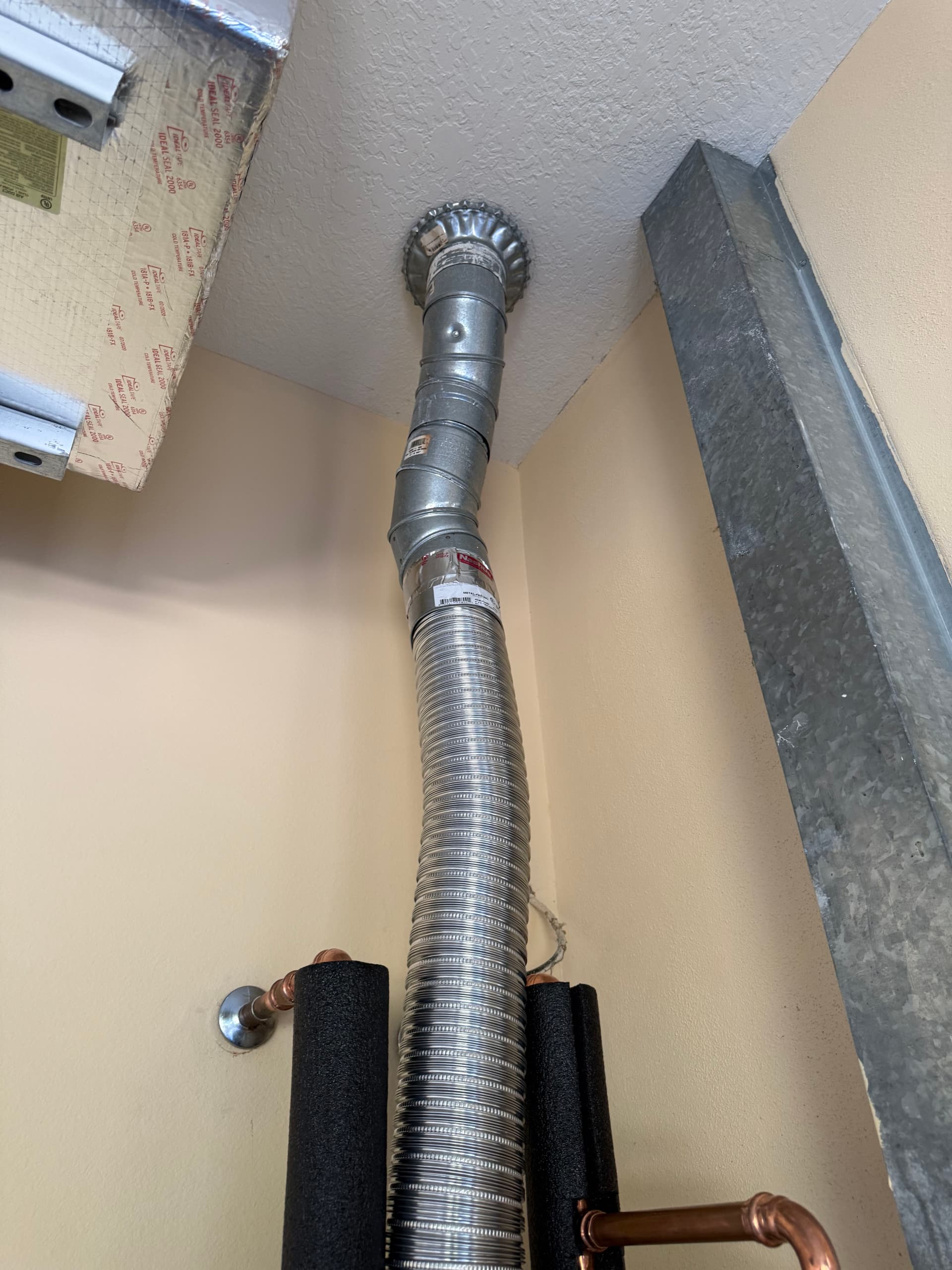
We also installed a thermal expansion tank on the cold water side. Here is why that matters: when water heats up, it expands. In a closed plumbing system, that pressure has nowhere to go. Over time, that causes stress on your pipes, valves, and the tank itself. The expansion tank gives that pressure a safe place to go, which protects the whole system and extends its life. The copper connections running to it are clean and solid - no shortcuts there. And the flexible vent line runs straight up through the ceiling with a proper termination cap, keeping exhaust gases safely out of the living space.
A metal drain pan sits under the unit as a last line of defense if anything ever leaks. Small detail - but the kind that can save you from a flooded garage. Every piece of this setup, from the gas line to the vent to the expansion tank, was installed with the next ten-plus years in mind. That is what water heater installation should look like.
If your current water heater is getting old, making noise, or just not keeping up the way it used to, it is worth having someone take a look before it becomes an emergency. We handle everything from water heater repair to full water heater installation, and we do not leave until the job is done correctly.