Gate Valve Swapped for a Brass Ball Valve on an Outdoor Water Line
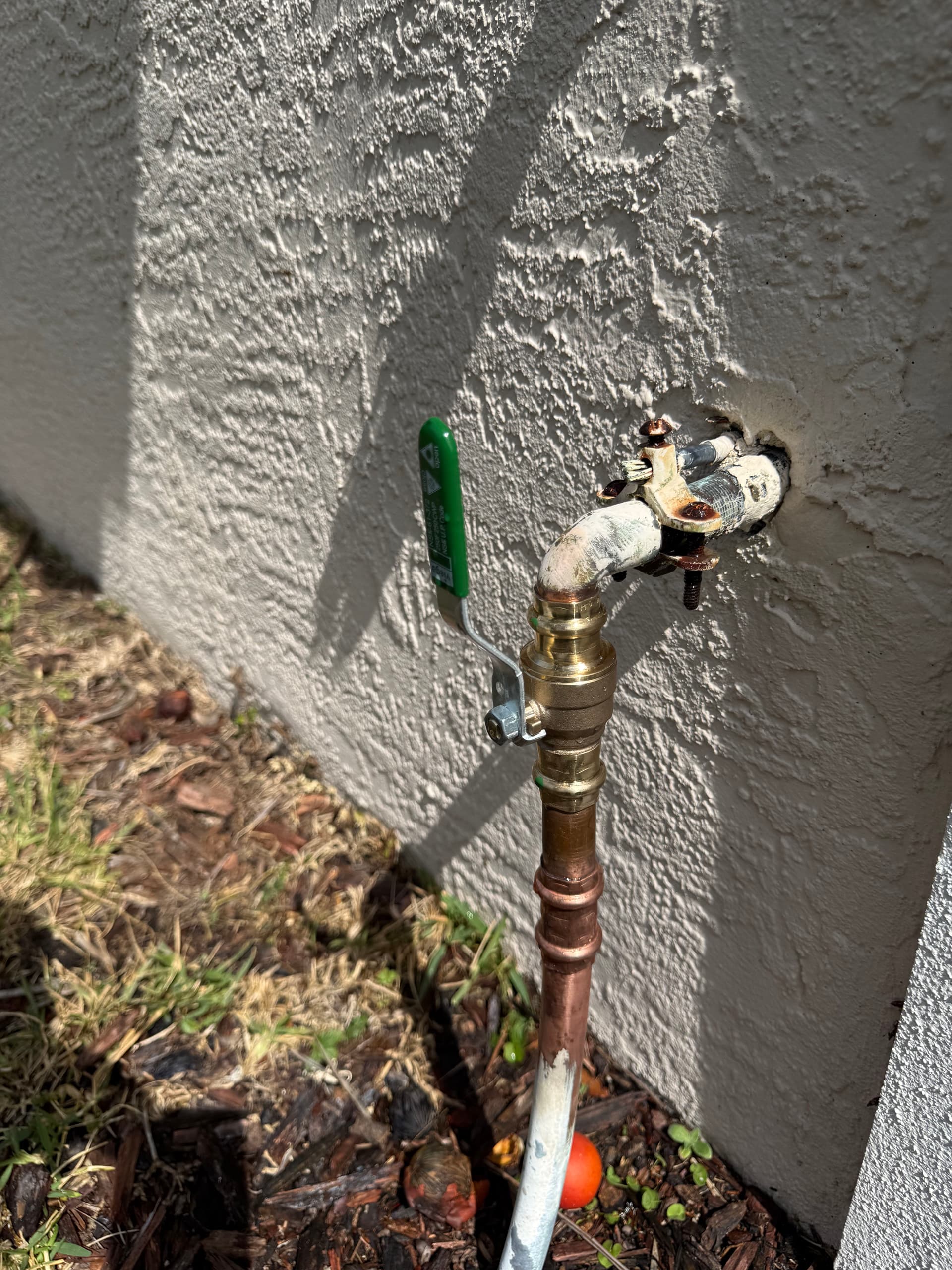
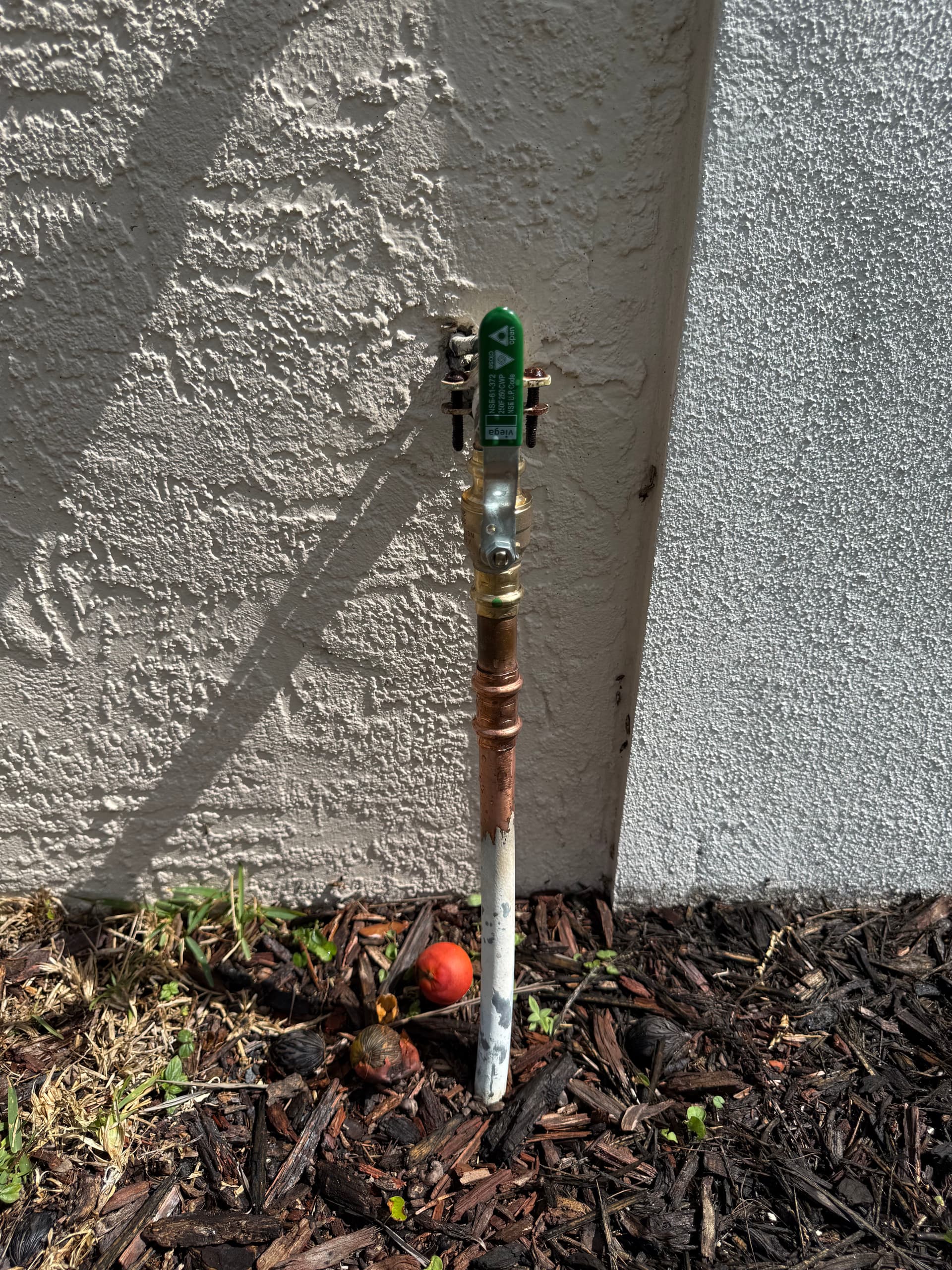
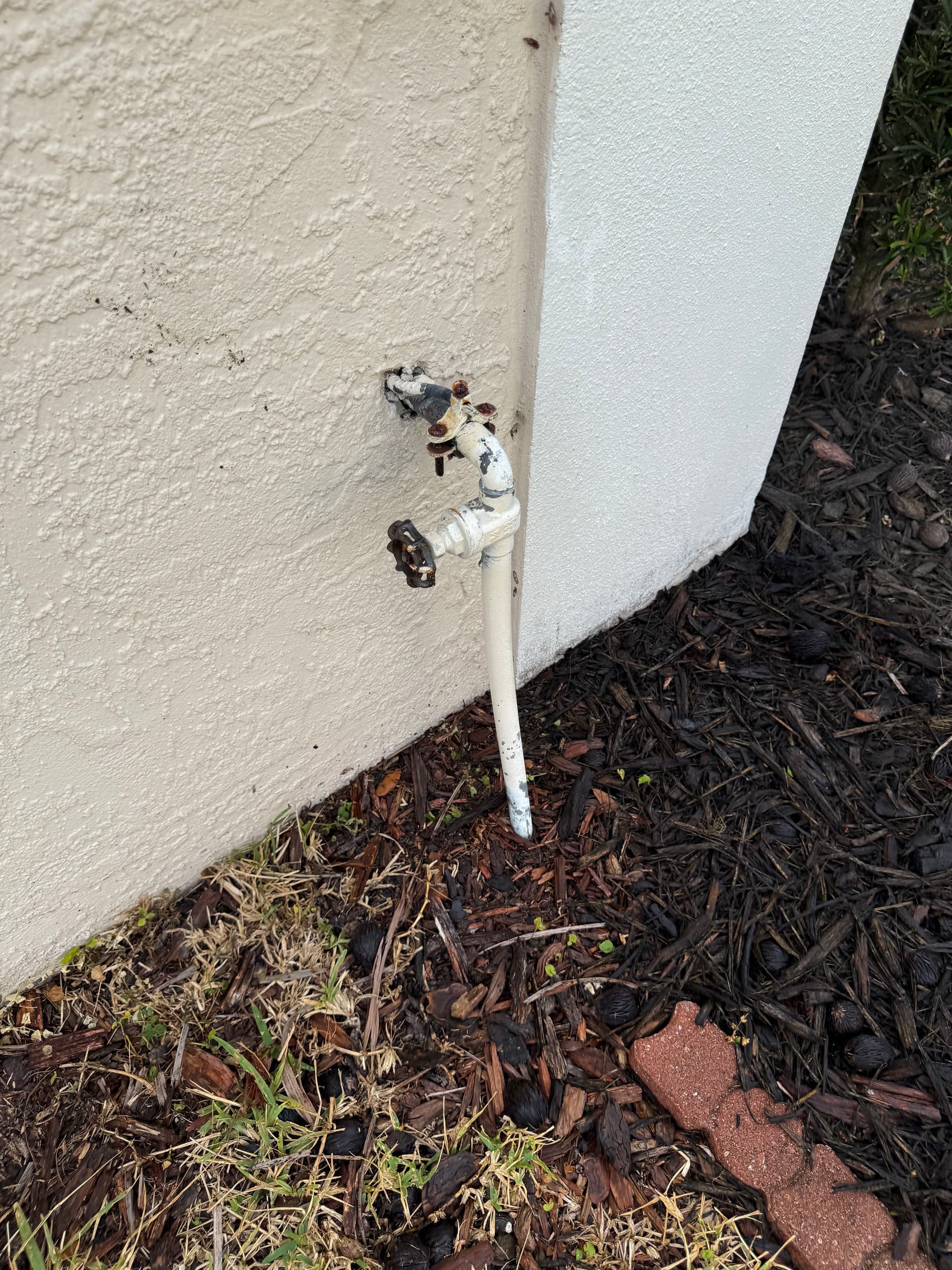
Gate valves are one of those things that just quietly fail over time. They get stiff, they stop sealing properly, and eventually you end up with a line you can barely shut off - or one that won't stop dripping no matter what you do. That's exactly the situation we were dealing with here.
We pulled out a worn 3/4" gate valve on an outdoor water line and replaced it with a new 3/4" brass lead-free ProPress ball valve. The difference between the two isn't subtle. Gate valves rely on a threaded stem that slowly turns to raise or lower a gate inside the valve body. Over time, that mechanism corrodes, wears down, and loses its ability to fully stop flow. Ball valves operate with a simple quarter-turn - open or closed. That's it. Much more reliable, much easier to use, and far less likely to give you problems down the road.
We went with a lead-free brass ProPress fitting specifically because this is an outdoor potable water line. Lead-free brass is the right call for anything that could end up touching water you use. The ProPress connection method also means we're not relying on soldering in tight outdoor conditions - it's a clean, mechanical press connection that holds up well against the elements.
Jobs like this are a good example of why a plumbing inspection matters. Sometimes a valve like this gets written off as a minor annoyance when it's actually a reliability issue waiting to get worse. Catching it early and swapping it out correctly keeps the rest of the line protected and gives you full shutoff control when you actually need it.
Outdoor plumbing takes a beating - sun, heat, moisture, and soil contact all add up. If you've got a valve that's hard to turn, leaking at the stem, or just looks like it's been out there since the house was built, it's worth having someone take a look before it becomes a bigger problem.